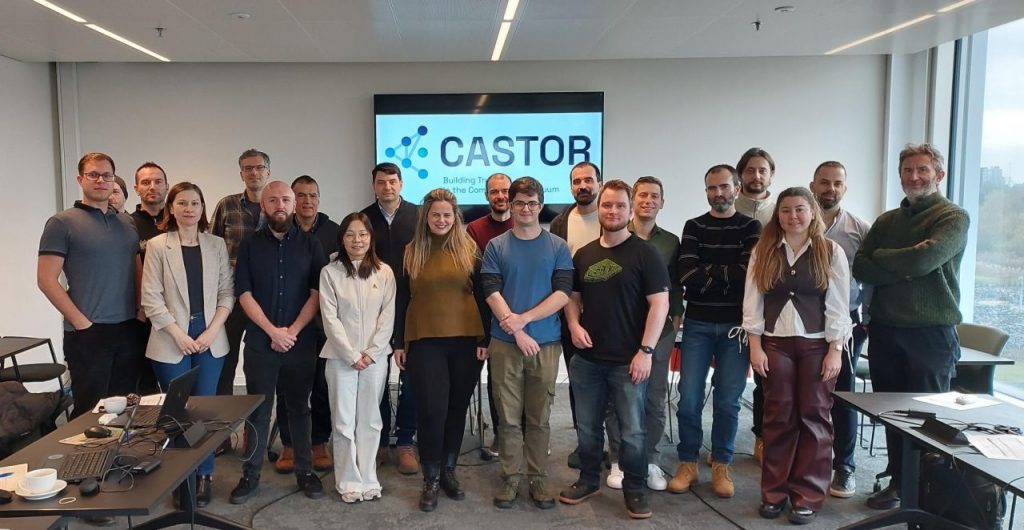
CASTOR 2nd Plenary Meeting
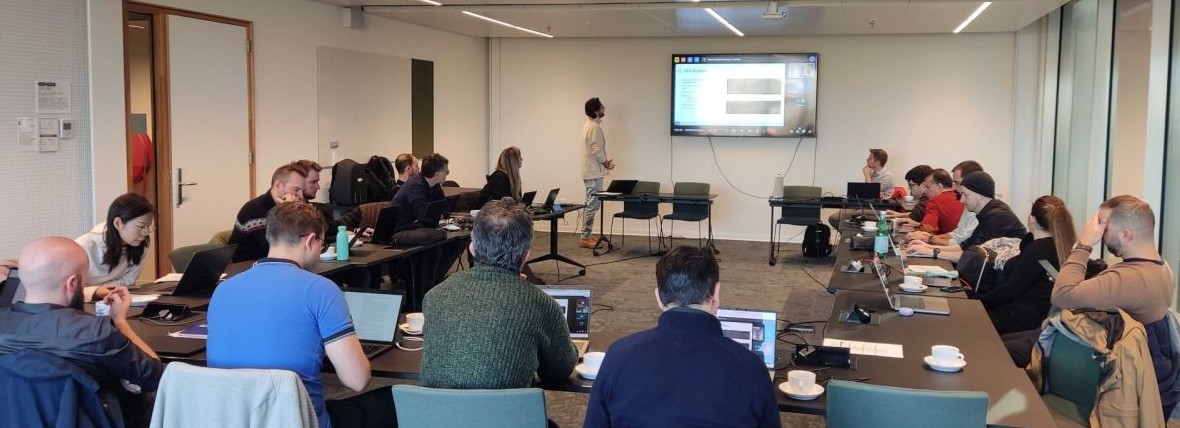
We are pleased to share our successful participation in the CASTOR 2nd Plenary Meeting, held on 3-4 December 2025 in the vibrant city of Amsterdam and graciously hosted by the University of Amsterdam.
The two-day meeting brought together representatives from all consortium partners and marked an important milestone for the project, as it reviewed the work carried out during the first half of the project’s lifetime. The sessions provided a valuable opportunity to assess overall progress, address technical and coordination challenges across work packages, and align on the next steps as CASTOR advances toward its upcoming milestones.
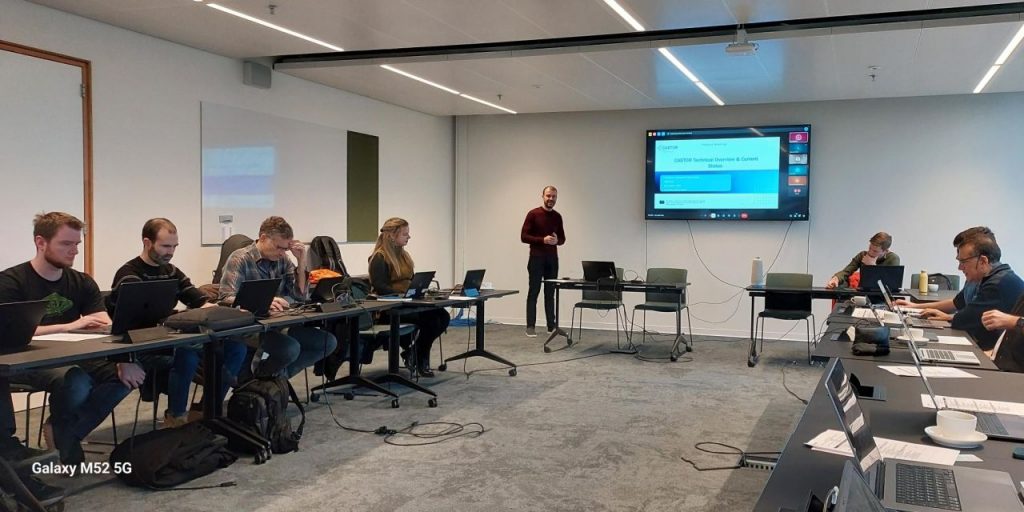
During the first day, discussions focused on the core foundations of the CASTOR framework, including updates on the overall architecture, security and trust mechanisms. In parallel, partners reflected on dissemination, standardization, and exploitation activities, ensuring that the project’s innovations are positioned for meaningful real-world impact.
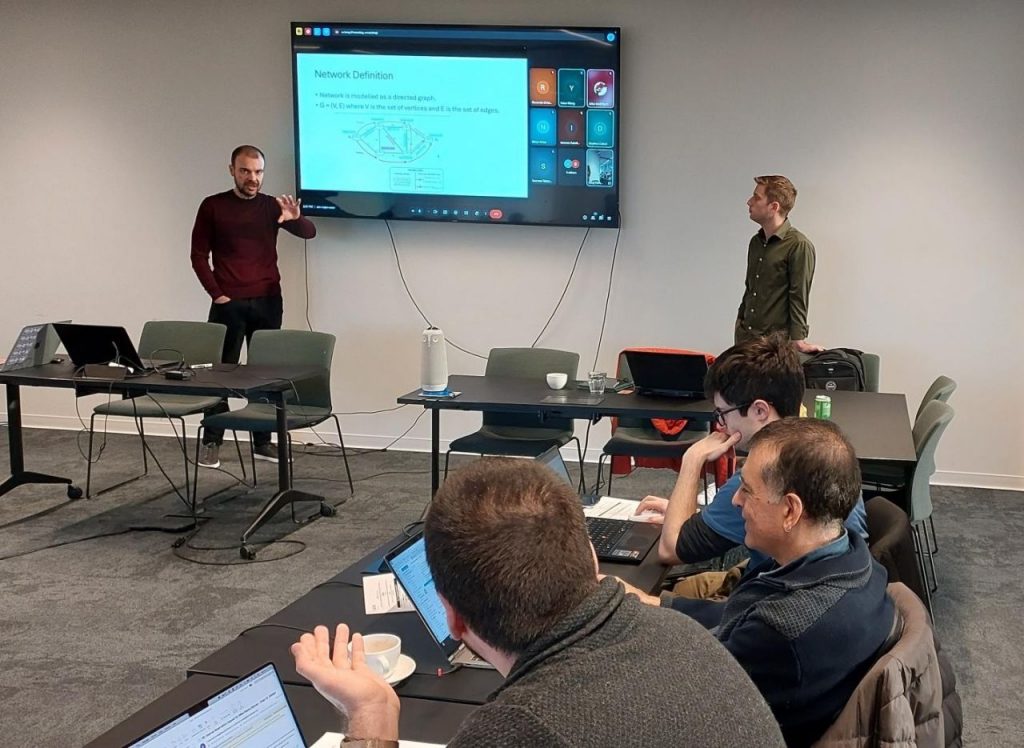
The second day centered on framework integration and progress across the project’s use cases, alongside key developments in networking, routing, and optimization. Partners worked both collectively and in focused clusters, engaging in in-depth discussions on experimentation planning, orchestration workflows, and the evolution of CASTOR’s trust and network-related components. The day was characterized by open dialogue, knowledge exchange, and a strong sense of shared purpose.
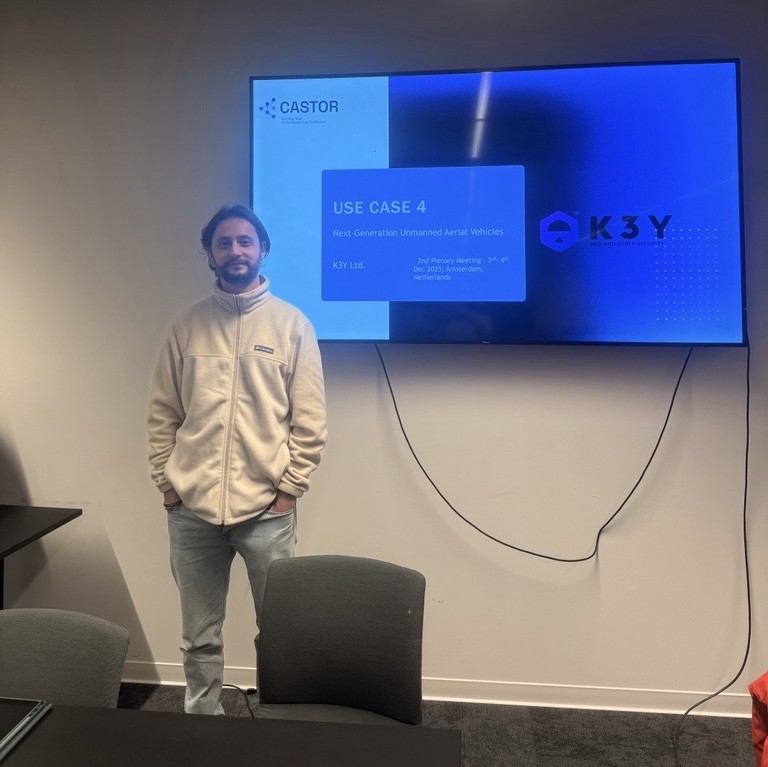
K3Y Ltd was represented by our colleague Ioannis Boukas, who presented the current status of K3Y’s pilot use case within the CASTOR project, titled “Future-Proofing Next-Generation Unmanned Aerial Vehicles Communications towards Critical Infrastructure Sustainability”. The session also included contributions to discussions on integration aspects, interoperability, and overall use-case testbed alignment.
Stay tuned for further updates as we continue driving innovation toward trustworthy communication across the compute continuum.